
A decision that determines farm profitability
In woody crops such as olive groves, almond orchards, vineyards, or pistachio, soil management directly affects profitability, crop health, and farm sustainability.
Not all strategies deliver the same results. Choosing between spontaneous ground cover, bare soil, or specific cover crops completely changes the farm’s balance.
The three most common soil management models
Soil is not only the physical base of the crop. It is an active element that determines water availability, soil structure, biodiversity, and the level of intervention required each season.
In this context, there are three particularly common soil management approaches in woody crops.
1. Spontaneous ground cover or weeds
This is a common situation when there is no targeted establishment. The soil is covered by spontaneous vegetation, but that cover does not always benefit the crop.
The main issue with this system is competition for resources. Weeds compete for water, nutrients, light, and space, which can reduce the performance of the main crop and increase control needs.
Although the soil is covered, it is not a planned cover nor one aimed at the farm’s agronomic efficiency.
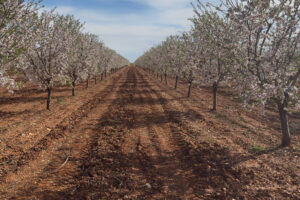
2. Bare soil
For years, this has been a common practice on many farms. At first glance it conveys cleanliness and control, but keeping soil bare has a significant technical and economic cost.
This system requires more field operations, greater use of machinery, and more intervention to prevent unwanted vegetation. In addition, unprotected soil is more exposed to erosion, loss of structure, and poorer water retention.
In short, bare soil can involve intensive management and a high dependence on labour and maintenance.
3. Green Series cover crops
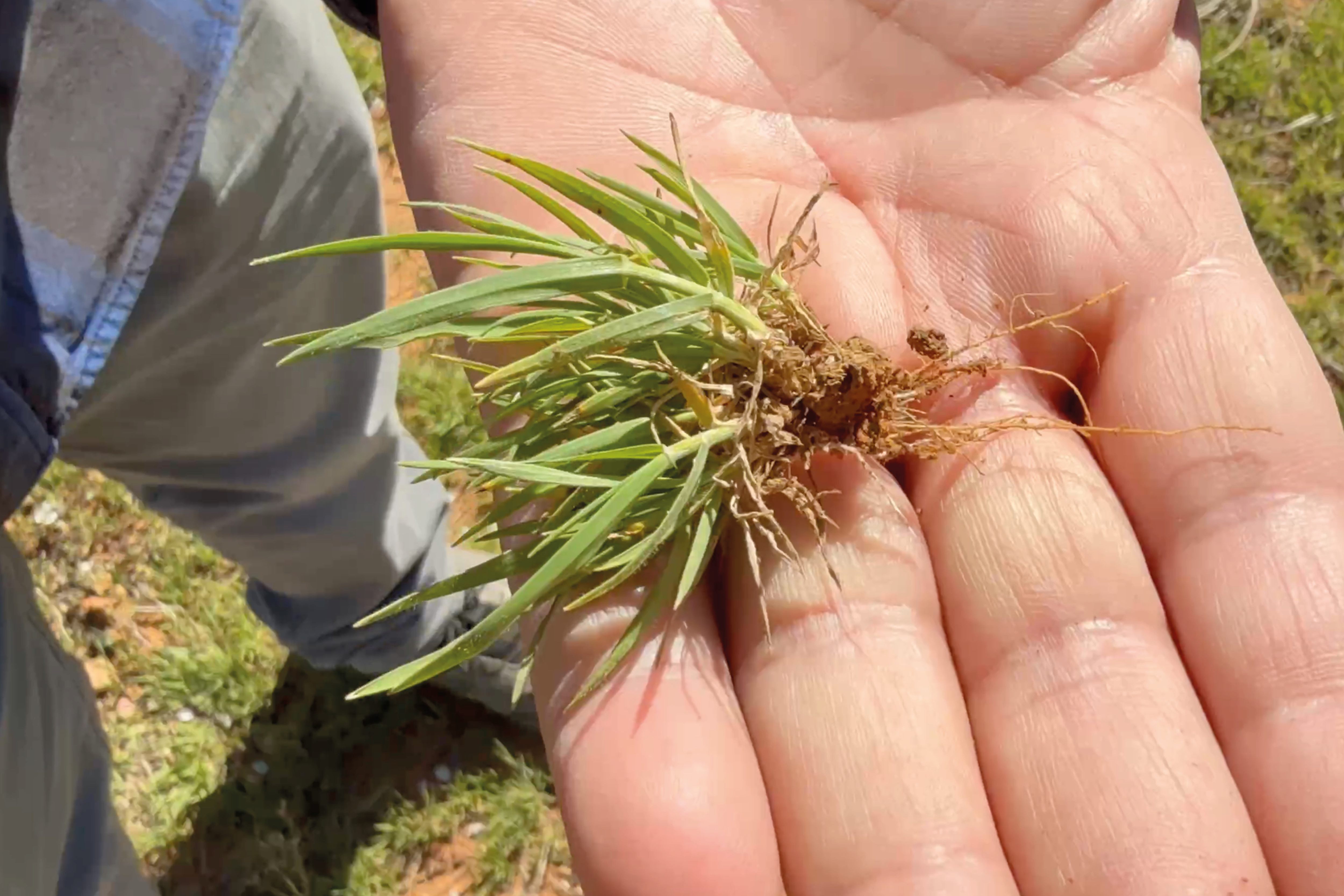
Compared with those two models, Agrosemillas proposes a third option: cover crops specifically designed to coexist with woody crops without creating significant competition.
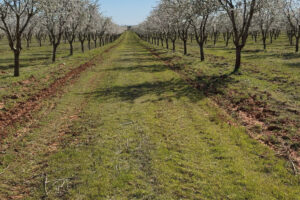
Green Series fulfils the role of a cover crop, but with a key difference: it protects the soil, provides agronomic value, and at the same time simplifies farm management.
One of its strongest arguments is economic: its use can deliver maintenance savings of around 40%.
Why does Green Series reduce maintenance costs so much?
Because it is designed to minimise interventions and reduce soil-related work:
- It does not need mowing, which reduces machinery hours and time required
- It self-reseeds year after year for many years, avoiding new sowings
- It does not require herbicides, with the resulting economic and environmental savings
- It minimises the labour associated with farm maintenance
This makes Green Series a solution that not only protects the soil, but also improves the farm’s operational efficiency.
Beyond savings: agronomic benefits of the system
In addition to those savings, there are other relevant benefits for woody crops:
- Soil protection against erosion
- Improved soil structure
- Greater system balance
- Enhanced biodiversity
- Less competition with the main crop
- More rational and sustainable land management
It is not just about having vegetation on the soil, but about having a cover designed to provide real advantages without penalising the crop.
The future of farming is not only about producing more. It is about producing better, reducing costs, and making decisions that strengthen the farm in the medium and long term.
Trust, Cultivate, Grow.



Leave A Comment