
Every year, wildfires devastate thousands of hectares of woodland. When the flames die out, attention usually turns to the burned area, the lost landscape and the recovery of vegetation. But there is an even more urgent element that needs protecting: the soil.
After a wildfire, the land is left bare, fragile and exposed. The loss of vegetation leaves the surface vulnerable to erosion, runoff and the loss of fertile topsoil. If heavy rain follows, the damage can worsen, washing away ash, organic matter and fine particles that are essential for the natural recovery of the ecosystem. Acting quickly and with sound technical knowledge is therefore critical.
Every year, wildfires devastate thousands of hectares of woodland
The destruction caused by fire goes far beyond what the eye can see. While the loss of trees, shrubs and vegetation is visible from the first day, the damage to the soil — its structure, its biology, its capacity for recovery — often goes unnoticed.
Yet it is precisely this invisible damage that will determine whether the land can regenerate in the months and years ahead.
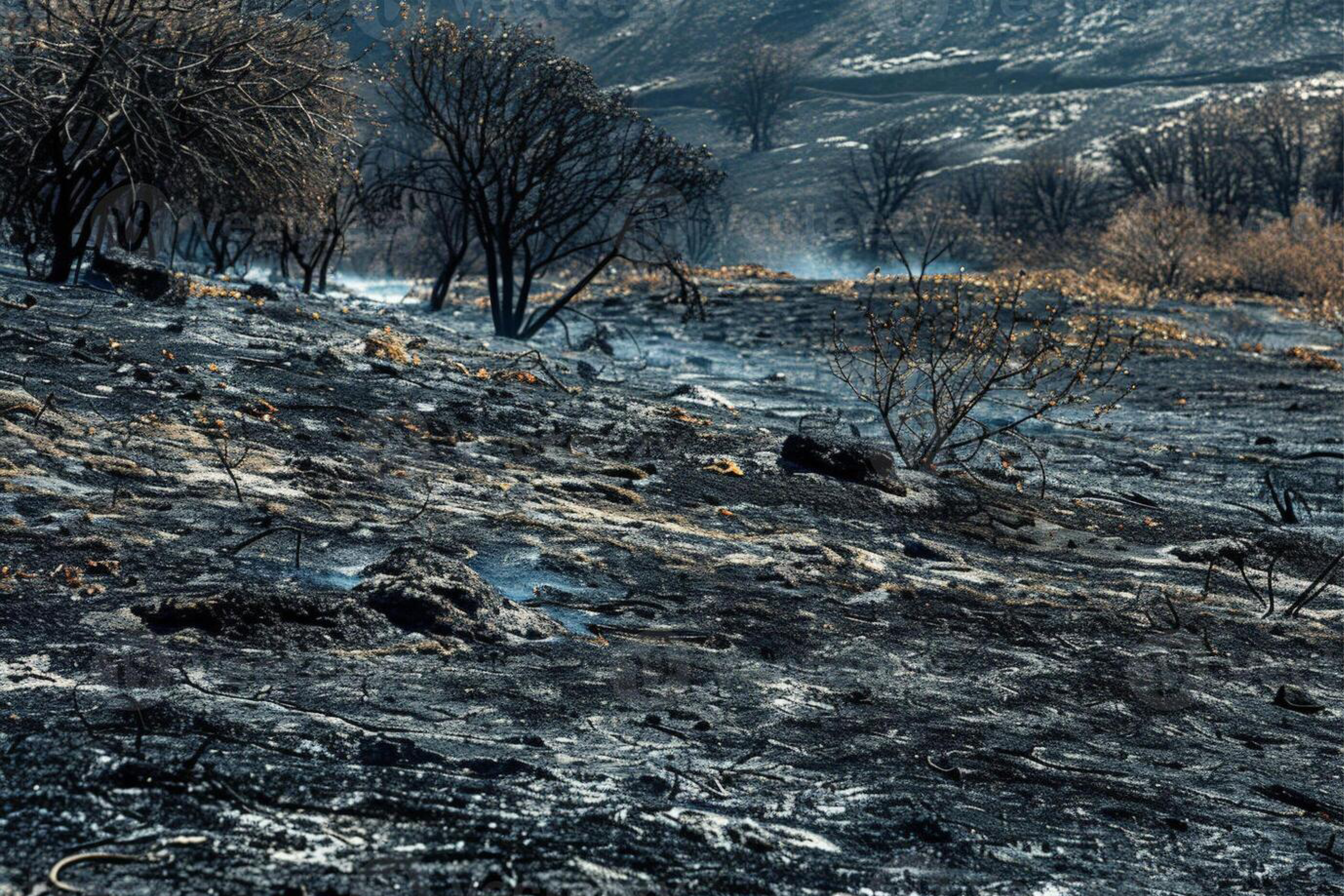
The risk does not end when the fire is put out
A wildfire does not only destroy vegetation. It also alters the soil structure, reduces its water retention capacity and can hinder the emergence of new plant life. In sloped terrain, the risk is even greater.
When heavy rain falls on bare, burned soil, it cannot infiltrate properly. Water runs off the surface at speed, carrying with it the most valuable layer of the land — the topsoil.
This is not just an environmental problem. It is an agricultural, economic and ecological problem. Every centimetre of topsoil lost represents years of slow formation, difficult to recover and even harder to replace.
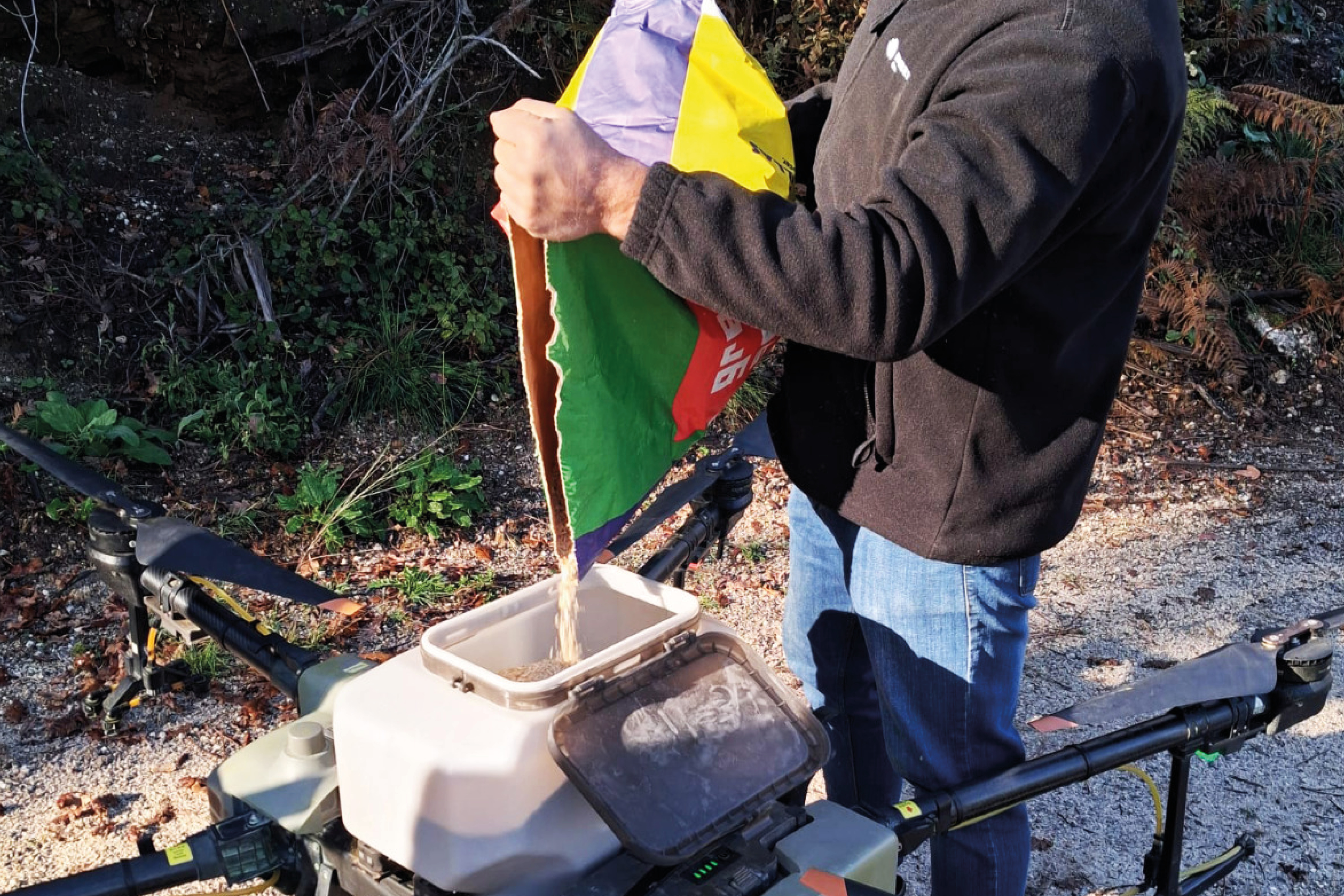
Cover crops: a tool to fix, protect and recover
The application of cover crops in burned areas is one of the most effective technical responses available in the first weeks after a fire.
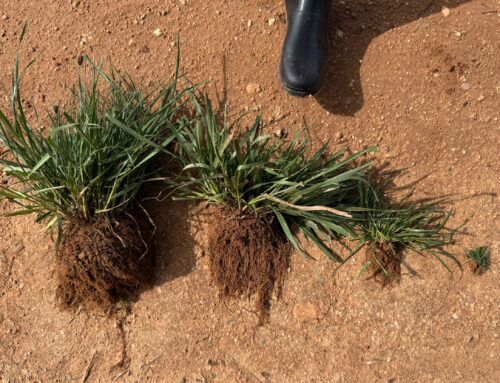
Cover crops serve several simultaneous functions: they protect the surface from the direct impact of rain, reduce runoff, fix the soil with their root system and create the conditions for natural recovery of organic matter.
They are not a decorative or symbolic measure. They are a technical intervention backed by proven results in erosion control and post-fire recovery.
Green Series: a solution developed for the most adverse conditions
Not all cover crop mixtures are suitable for post-fire intervention. The Green Series range by Agrosemillas has been developed with species selected for their rapid establishment capacity, resistance to harsh conditions and ability to perform across diverse soil types and climates.
The species used in Green Series post-fire mixtures are particularly relevant for their germination speed, resilience, adaptability and functionality.
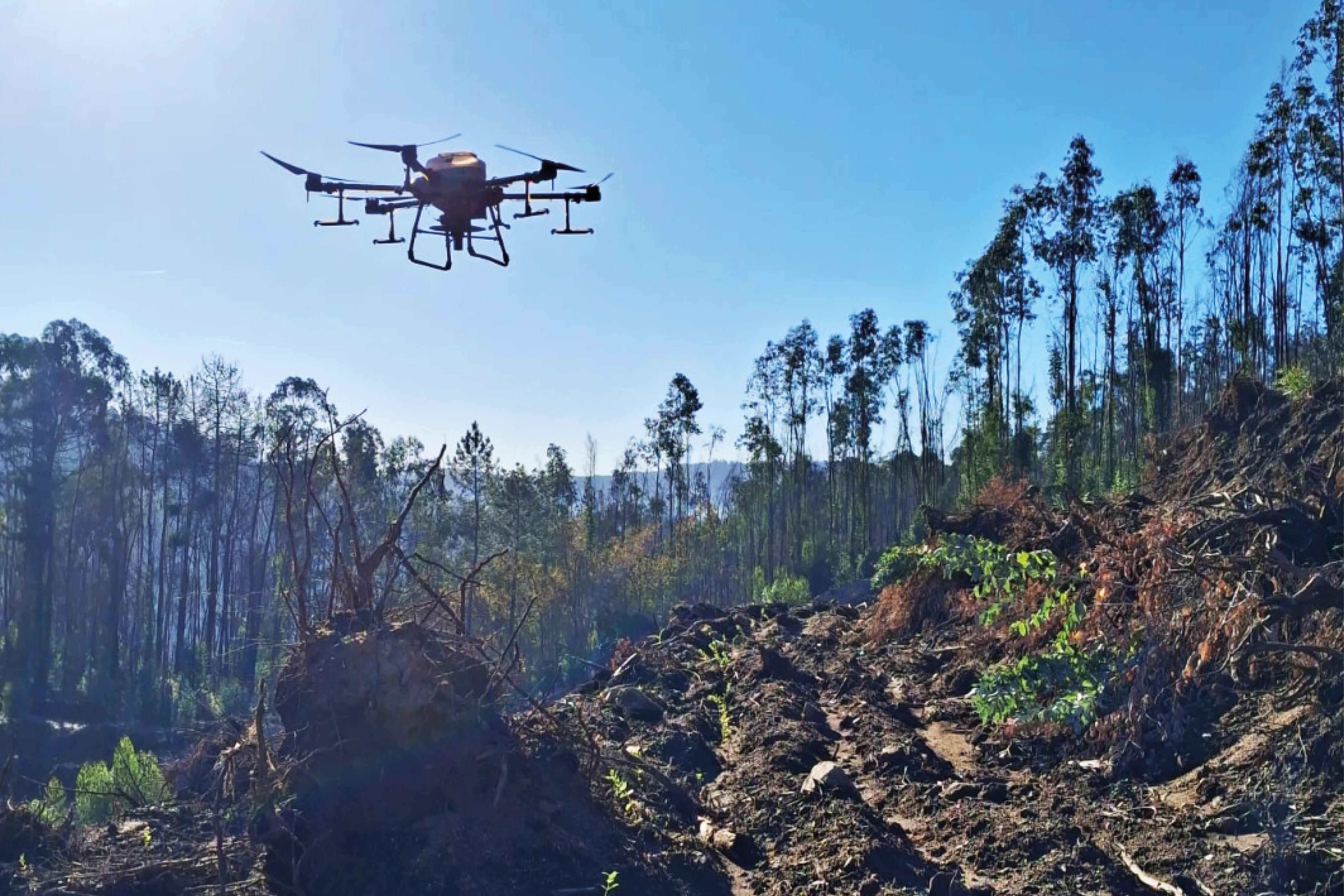
Drone application: speed and efficiency across large areas
After a wildfire, many areas present serious access challenges. There are slopes, unstable terrain, burned debris and extensive zones where manual or machinery-based intervention can be complex.
Applying cover crops by drone makes it possible to act swiftly across large surfaces, cutting response times and enabling seeding in areas where ground access is limited.
This technology combines precision, efficiency and rapid response. And in a burned soil, time matters. The sooner the surface is protected, the lower the risk of soil loss when the first rains arrive.
A responsible response for burned woodland
Recovering land affected by fire requires planning, technical knowledge and solutions adapted to each terrain. Not all soils are the same, and not all interventions are equally effective.
At Agrosemillas, we work with technicians, land managers and public bodies to provide solutions based on real knowledge of each situation.
Protecting the soil after a fire is the first step towards recovery. The rest follows from there.



Leave A Comment